

full body vanity mirror with lights
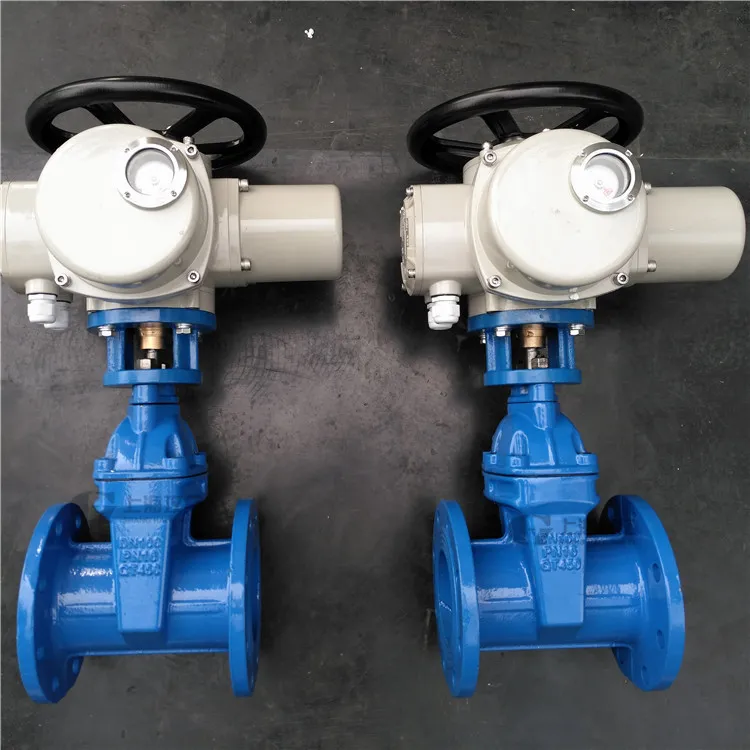
The Importance of Open Water Valves in Modern Infrastructure Water is one of the most essential resources for human survival, playing a crucial role in agricultural, domestic, and industrial applications. As cities grow and technology advances, the management and distribution of water have become increasingly complex. Among the critical components of water management systems are open water valves, which serve as the lifelines to ensure that water flows where it is needed, when it is needed. Open water valves are mechanical devices that regulate the flow of water in pipes and other water distribution systems. These valves can be either manually operated or automated and are found in various settings, including municipal water supply networks, irrigation systems, and industrial processes. Their primary purpose is to control water flow, allowing for the distribution of this vital resource to various areas. One of the primary advantages of open water valves is their ability to facilitate efficient water management. In urban environments, municipalities face the challenge of providing clean and reliable water to thousands, if not millions, of residents. Open valves enable efficient distribution, preventing wastage and ensuring that every household receives its fair share of water. Moreover, they allow for quick adjustments in response to fluctuating demand, whether it be due to seasonal changes, population growth, or infrastructure developments. In agricultural settings, open water valves are instrumental in optimizing irrigation practices. Farmers often rely on controlled water delivery to their crops, as excess or insufficient water can drastically affect yield . By utilizing open valves, farmers can regulate the flow of water to different sections of their land, ensuring that every plant receives adequate hydration without overwatering. This not only conserves water but also promotes healthier crops and sustainable farming practices. open water valve Automation has revolutionized the functionality of open water valves in recent years. Smart water management systems use sensors and real-time data analytics to monitor water flow, pressure, and quality. Automated valves can respond to changes in demand inadvertently, adjusting flow rates and conserving resources. These technological advancements have led to improved efficiency and reduced operational costs for water utilities while minimizing the risk of leaks and water loss. However, the open water valve system is not without its challenges. Regular maintenance is crucial to ensure that these valves function correctly. A neglected valve can lead to leaks, reduced water pressure, and even contamination of the water supply. Municipalities and utilities must invest in routine inspections and repairs to maintain the integrity of their water distribution systems. Additionally, natural disasters such as floods or earthquakes can severely impact the functionality of open water valves, leading to catastrophic water loss or destruction of essential infrastructure. Public awareness and education are also vital components in supporting the management of open water valves. Communities can play a proactive role by reporting leaks, understanding water conservation practices, and participating in local water management initiatives. By encouraging residents to engage with their water supply systems actively, municipalities can foster a culture of responsibility and sustainability. In conclusion, open water valves are essential elements in the effective management of water resources. They provide a mechanism for controlling flow, ensuring equitable water distribution in urban and agricultural settings, while technological advancements promise enhanced efficiency through automation. However, ongoing maintenance, community engagement, and education are vital to addressing the challenges associated with these critical components of our water infrastructure. As we continue to navigate a future where water scarcity becomes an increasing concern, the role of open water valves will undoubtedly be integral to our strategies for sustainable water management.
about
full body vanity mirror with lights
The Butterfly Valve with Stainless Steel Body A Comprehensive Overview Butterfly valves are among the most commonly used valves in various industrial applications. Renowned for their simplicity, robustness, and efficiency in controlling fluid flow, these valves are particularly effective in large-scale systems. When these valves are constructed with a stainless steel body, their advantages are amplified, making them a popular choice in environments where corrosion resistance and durability are paramount. What is a Butterfly Valve? A butterfly valve is a quarter-turn valve that uses a rotating disk to control the flow of fluid. The disk is mounted on a rod that passes through the center of the valve body. When the valve is closed, the disk blocks the flow; when it is opened, the disk rotates to a position parallel to the flow path, allowing fluid to pass through. This simple design enables rapid opening and closing, making butterfly valves suitable for throttling and isolation applications. Advantages of Stainless Steel Bodies 1. Corrosion Resistance Stainless steel is known for its outstanding corrosion resistance. In applications where the fluid may contain corrosive substances, having a valve with a stainless steel body can significantly extend its lifespan and reduce the need for frequent replacements. 2. Durability Stainless steel is a robust material that can withstand harsh operating conditions. Butterfly valves made from stainless steel can endure high pressures and temperatures, making them suitable for challenging industrial environments. 3. Hygienic Properties In industries such as food and beverage, pharmaceuticals, and water treatment, hygiene is critical. Stainless steel is easy to clean and does not harbor bacteria, making it an excellent choice for applications that require stringent sanitary standards. 4. Low Maintenance The durability and corrosion-resistant properties of stainless steel translate to lower maintenance requirements. Users can expect a longer operational lifespan and reduced downtime associated with maintenance tasks. 5. Aesthetic Appeal Beyond functionality, stainless steel offers a sleek and modern appearance. For visible installations, such as in architectural designs or open facilities, a stainless steel butterfly valve adds an aesthetic quality. Applications of Stainless Steel Butterfly Valves The versatility of stainless steel butterfly valves makes them applicable in a range of industries butterfly valve stainless steel body - Water and Wastewater Treatment These valves are commonly used for regulating flow in water treatment plants, contributing to the effective management of water supply and sewage systems. - Food and Beverage Industry With high hygiene standards, the food industry often utilizes stainless steel valves for controlling the flow of liquids in processes like brewing, bottling, and processing. - Chemical Processing In the chemical industry, where aggressive fluids are prevalent, stainless steel butterfly valves can handle acidic or alkaline substances effectively. - Oil and Gas The resilience of stainless steel makes these valves suitable for use in oil exploration and refining processes, where high-pressure and corrosive environments are common. Selecting the Right Butterfly Valve When selecting a stainless steel butterfly valve, several factors must be considered - Size and Pressure Rating Determine the appropriate size of the valve based on the piping system and the pressure it must withstand. - Type of Fluid Identify the properties of the fluid being handled, including its temperature, viscosity, and whether it is corrosive or non-corrosive. - End Connections Ensure that the valve’s end connections (flanged, threaded, etc.) are compatible with the existing piping system. - Actuation Method Choose between manual or automated actuation methods, depending on the application requirements. Conclusion The stainless steel butterfly valve represents an ideal solution for various fluid control applications across multiple industries. Its amalgamation of durability, corrosion resistance, and low maintenance makes it a preferred choice for engineers and maintenance personnel alike. By understanding the features and benefits of these valves, professionals can make informed decisions to enhance efficiency and reliability in their operations. Thus, whether it’s for water treatment, food processing, or chemical processing, investing in stainless steel butterfly valves is a step toward achieving optimal system performance.
-

High quality industrial productsagement

High quality industrial products
View Details -

Meet the diverse needs of customers

Meet the diverse needs of customers
View Details -

Strict quality control

Strict quality control
View Details -

Top raw materials

Top raw materials
View Details -

Trusted supplier

Trusted supplier
View Details
Our application

news and information
Wooden frame construction with truss plates and nails for added structural support.
Wood frame construction has been a popular building method for centuries, providing a versatile and
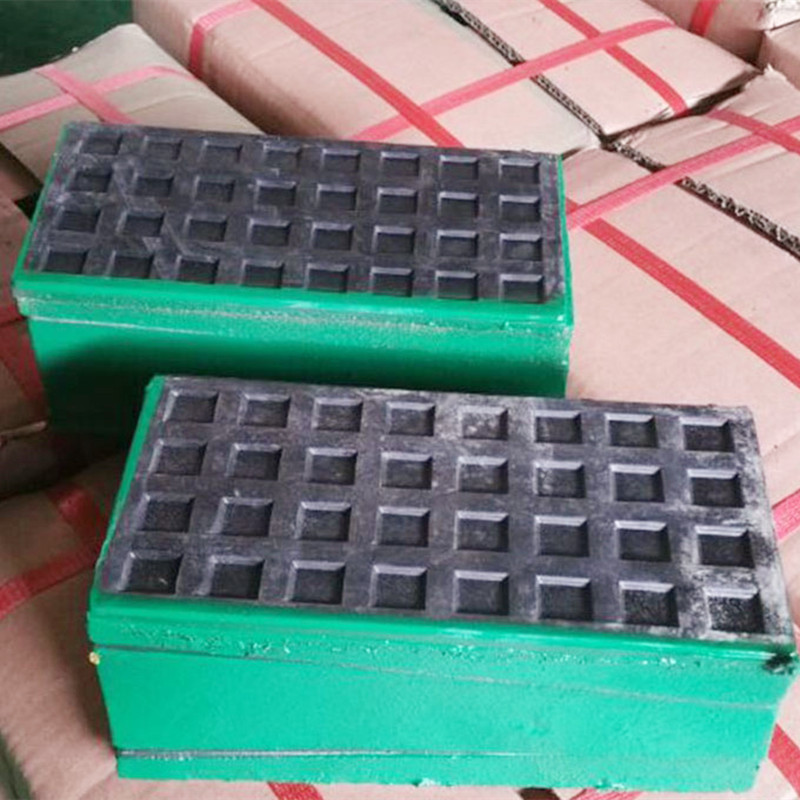
Versatile Ground Anchors for Enhanced Stability and Adaptability in Various Applications
The Versatility and Importance of Adjustable Ground Anchors Ground anchors have long been an essenti
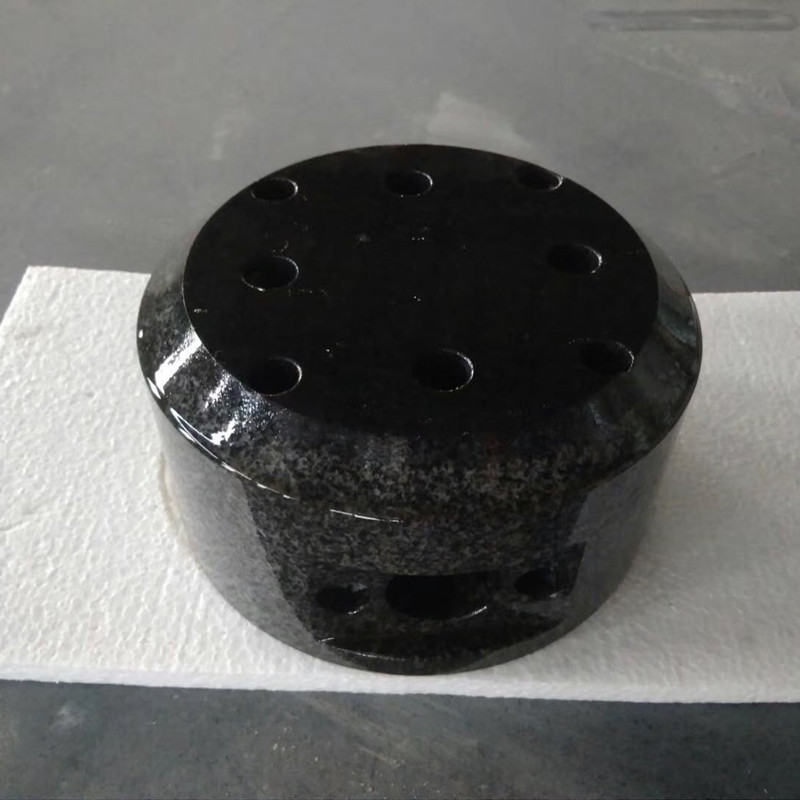
Using Pin Go-No Go Gauge for Precision Measurement in Manufacturing Applications
Understanding the Pin Go/No-Go Gauge A Key Tool in Quality Control In the realm of manufacturing and
 English